Buying chocolate for someone on a restricted diet feels like defusing a bomb. One wrong move — a shared-facility disclosure, a “may contain milk” warning buried in fine print — and your thoughtful gift becomes a health scare. You don’t need to be a food scientist to get this right, but you do need to know which labels actually protect the recipient and which ones are marketing fluff. This guide breaks down the three most common dietary needs gift-buyers navigate — sugar-free, vegan, and certified gluten-free — defines what each label legally means, and maps the chocolate brands that hold up under scrutiny. Whether you’re assembling a $30 tasting box or sourcing a $150 corporate gift basket, the decision framework here applies directly.
One quick definition before we dive in: “dietary restriction” in this context means a hard requirement, not a preference. We’re talking about people managing blood sugar who need to avoid glucose spikes, people with celiac disease who react to trace gluten, and vegans who won’t consume any animal-derived ingredients. These aren’t interchangeable categories, and the chocolate market doesn’t treat them as one. Each has its own certification landscape, its own price premium, and its own gotchas.
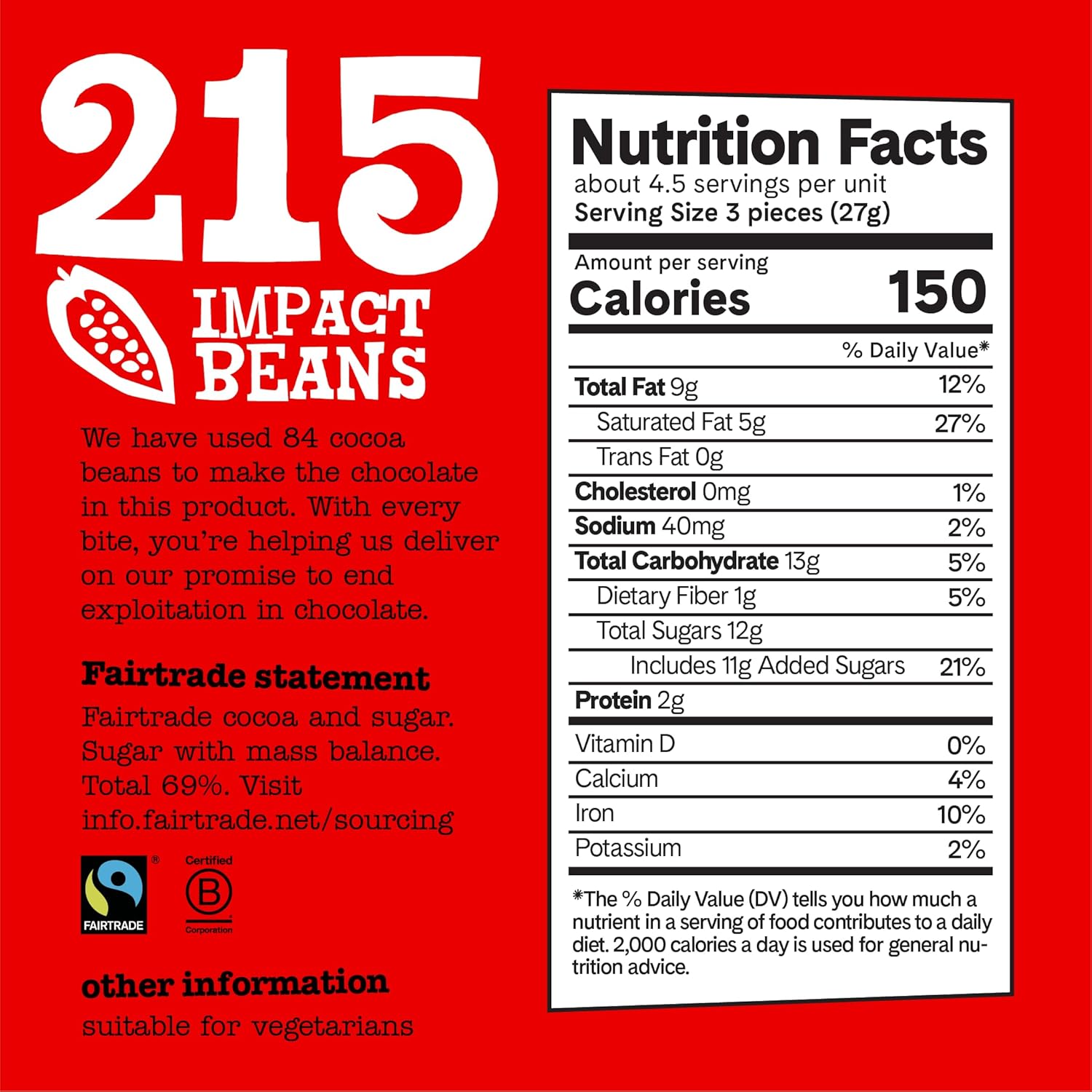
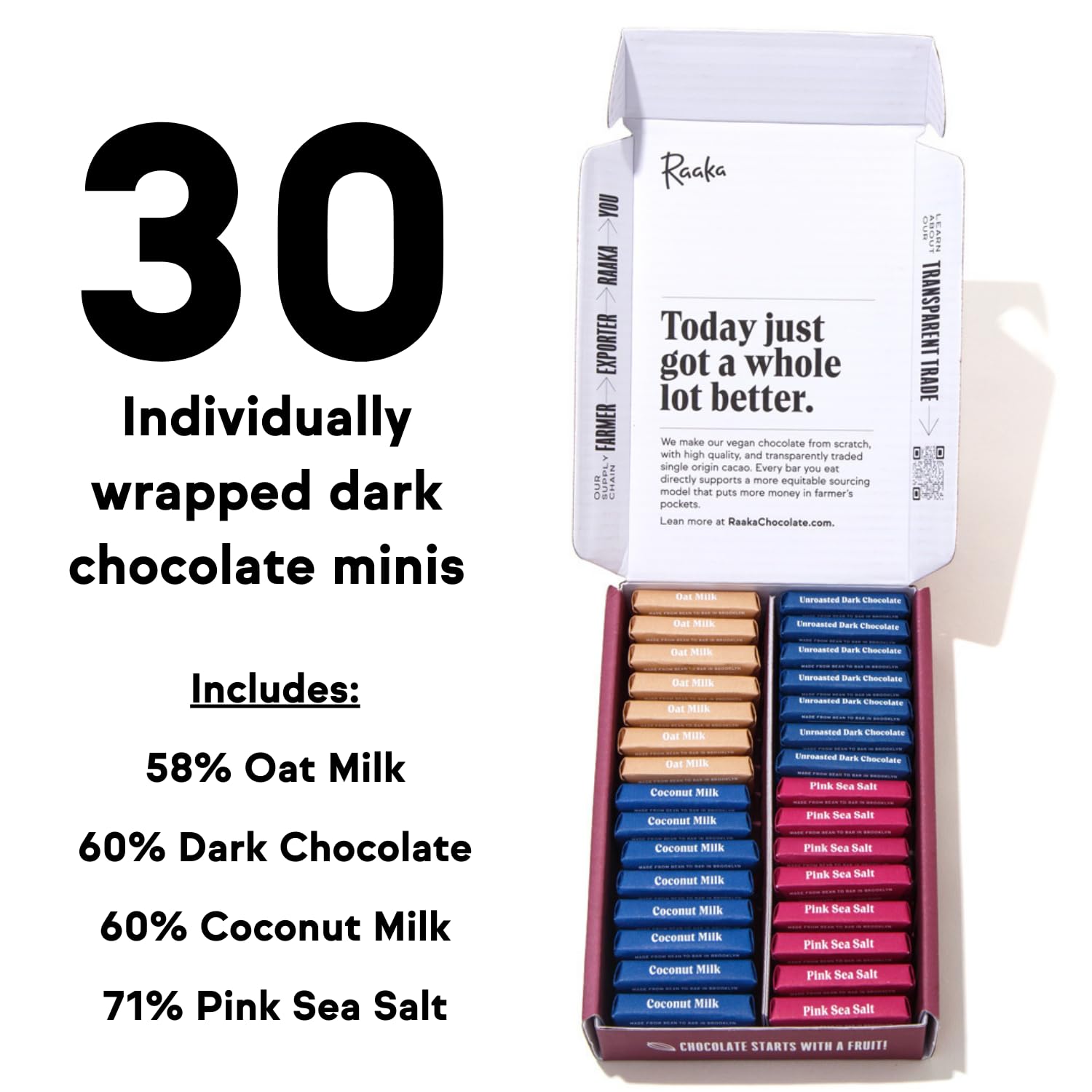
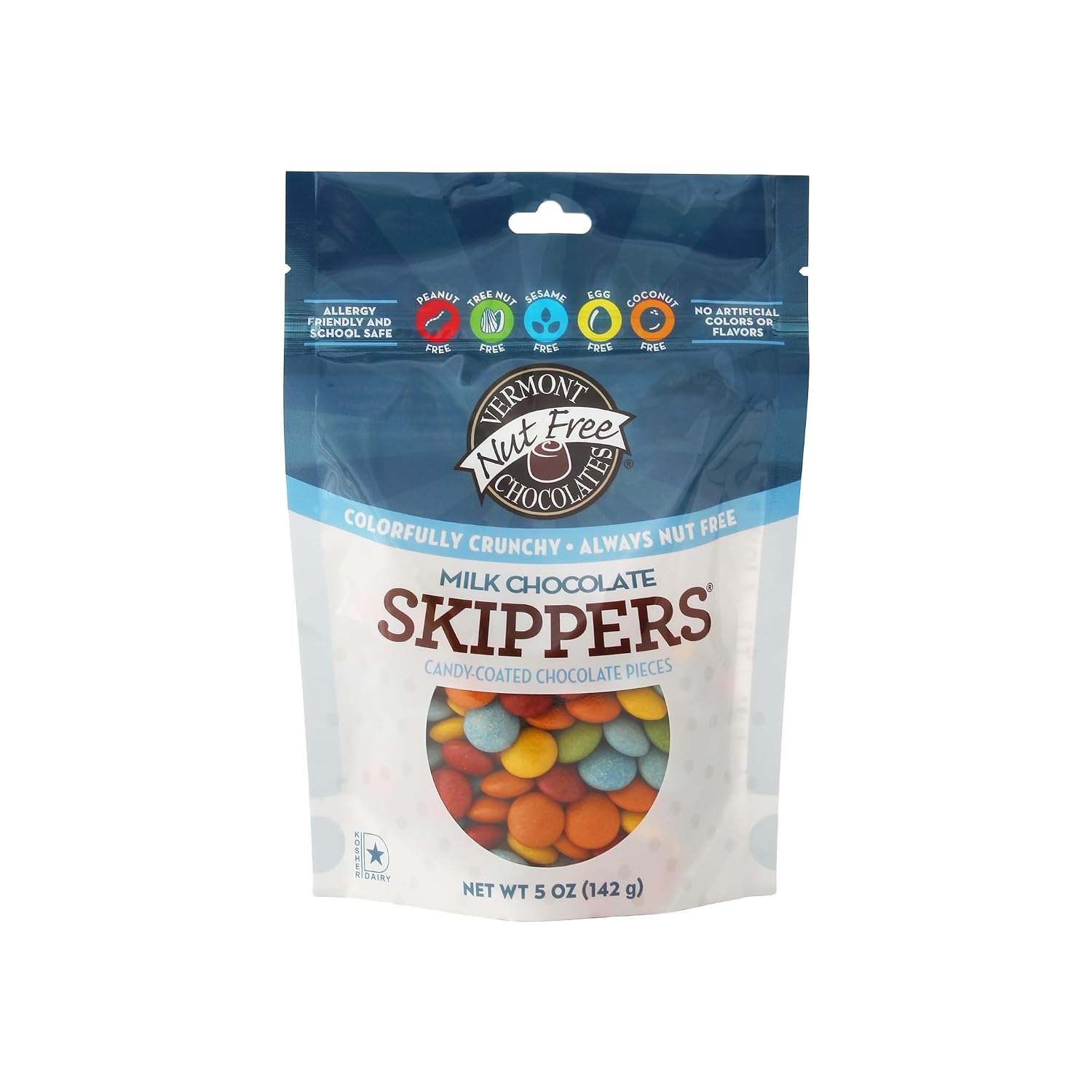
| EDITOR'S PICK[Vermont Nut Free Chocolates Bir…](https://www.amazon.com/dp/B0FQ366QMN?tag=greenflower20-20) | Mid-tier[Raaka Dark Chocolate Gift Box |…](https://www.amazon.com/dp/B085N8Z22Z?tag=greenflower20-20) | Budget pickTony’s Chocolonely Assorted Cho… | |
|---|---|---|---|
| Diet type | — | Vegan | — |
| Gluten free | — | ✓ | — |
| Count | — | 30 | — |
| Weight per piece | — | 0.28 oz | — |
| Fairtrade | — | — | ✓ |
| Chocolate types | Milk & Dark | Dark | Milk & Dark |
| Price | $52.76 | $36.95 | $11.91 |
| See on Amazon → | See on Amazon → | See on Amazon → |
What the Labels Actually Mean (and What They Don’t)
This is where most gift-buyers lose time and money. The chocolate aisle is dense with claims that sound protective but carry no legal teeth.
“Sugar-Free” means the product contains no added sucrose (table sugar). Per FDA nutrient content claim regulations, a food can carry this label if it has less than 0.5 grams of sugars per serving. But sugar-free chocolate almost always uses a sugar alcohol — maltitol, erythritol, or sorbitol — or a non-nutritive sweetener such as stevia or monk fruit in place of sucrose. The American Diabetes Association’s published guidance on sweeteners and sugar substitutes notes that these replacements vary significantly in their glycemic impact. Maltitol, for instance, still raises blood glucose, just more slowly than sucrose. If your recipient is managing Type 1 or Type 2 diabetes, “sugar-free” alone is not a safe proxy. You need to look at total carbohydrates and the specific sweetener used.
“Vegan” has a clear philosophical definition established by Vegan Action — the certifying body behind the Certified Vegan program — but no U.S. federal certification requirement exists. Any brand can self-declare “vegan” on packaging. The meaningful signal is third-party certification: look for the Certified Vegan logo issued by Vegan Action, or the Vegan Society’s sunflower trademark used internationally. In chocolate specifically, the sneaky ingredients are milk solids (common in “dark” chocolate at 60–70% cacao), beeswax in coatings, carmine (a red dye derived from insects), and whey in flavoring systems. A shared-equipment disclosure — “may contain milk” — doesn’t void a vegan claim legally, but many strict vegans avoid those products as a matter of practice.
“Gluten-Free” is the label with the most legal structure in the U.S. FDA regulations require any food carrying a gluten-free claim to contain fewer than 20 parts per million (ppm) of gluten. But “gluten-free” labeling and certified gluten-free are meaningfully different. A self-declared label requires no third-party audit. A certification — from the Gluten Intolerance Group’s GFCO program, or from NSF International — requires facility inspection, ingredient tracing, and periodic product testing. As The Spruce Eats’ review of gluten-free chocolate brands has noted, cross-contamination from shared equipment is the most common failure point; cocoa processing facilities frequently handle wheat-containing products. For celiac disease, the editorial consensus across The Spruce Eats, Epicurious, and food allergy advocacy organizations is consistent: self-declared is not enough. Certified is the standard.
The Label Comparison at a Glance
| Label Type | Legal Requirement | Third-Party Audit? | Celiac-Safe? | Diabetic-Safe? |
|---|---|---|---|---|
| ”Sugar-Free” (self-declared) | <0.5g sugars/serving | No | Varies | Not automatically |
| ”Vegan” (self-declared) | None in U.S. | No | Varies | Varies |
| Certified Vegan (Vegan Action) | Program criteria met | Yes | Varies | Varies |
| ”Gluten-Free” (self-declared) | <20ppm gluten | No | Risky | N/A |
| Certified Gluten-Free (GFCO/NSF) | <20ppm + facility audit | Yes | Yes | N/A |
This table reflects the core problem with dietary-restriction gifting: the labels that feel most reassuring — “vegan,” “gluten-free,” “sugar-free” — are the ones with the least enforcement behind them when self-declared. The comparison sections below use this framework to evaluate specific brands and price tiers.
Comparing Options by Gift Tier
Budget Picks ($15–$35): Accessible Everyday Options
At this price range, the most reliable sugar-free option with consistent reviewer support is Lily’s Sweets chocolate bars, which use stevia and erythritol as sweeteners. Specialty diet reviewers frequently note that erythritol-forward formulations cause fewer digestive side effects than maltitol-heavy alternatives — a real consideration when gifting to someone with GI sensitivities. Lily’s also carries a certified gluten-free mark and uses non-GMO ingredients, making it one of the cleaner multi-restriction options at this tier. One important caveat: Lily’s dark chocolate is dairy-free, but their milk chocolate varieties are not vegan.
For strictly vegan gifting under $30, Endangered Species Chocolate holds up well. The brand’s dark chocolate lines (72% cacao and above) are certified vegan and carry a self-declared gluten-free label — adequate for gluten-sensitive buyers, but not certified, making it inappropriate for celiac recipients. The charitable sourcing angle (a portion of proceeds funds wildlife conservation) also travels well in gift contexts.
The tradeoff at this tier: Budget pricing means you’re often choosing between certifications. A product that checks all three boxes — certified gluten-free, certified vegan, and genuinely low-glycemic sweeteners — is rare under $20. Plan for that tradeoff rather than being surprised by it.
Tony’s
$11.91
In stock on Amazon
Check price on AmazonMid-Tier Picks ($35–$75): Artisan and Specialty Brands
This is where the market becomes more interesting and more navigable. At this price point, brands have the margin to invest in certifications and sourcing transparency.
Hu Kitchen chocolate is the reference point at this tier. Hu’s bars are certified paleo, certified vegan, and sweetened with coconut sugar. The American Diabetes Association’s guidance on glycemic index notes that coconut sugar has a lower glycemic index than refined cane sugar — though it is not “sugar-free” in the FDA sense. More importantly for gift-givers: Hu operates a dedicated facility free from refined sugar, gluten, dairy, soy, and emulsifiers. That facility status matters more than any single label because it eliminates the shared-equipment risk that makes self-declared labels unreliable. Epicurious has consistently ranked Hu among its top picks for clean-label dark chocolate in its annual buyer’s guide. Individual bars retail at roughly $5–$8; a curated four-to-six-bar gift set lands squarely in the $35–$50 range.
Raaka Chocolate is the stronger call for the gluten-free-primary buyer. Raaka produces unroasted “virgin” cacao bars in a dedicated gluten-free facility and maintains GFCO certification — the audit-backed standard endorsed by the Gluten Intolerance Group. For a celiac recipient, GFCO certification is meaningfully safer than a self-declared label. Raaka’s flavor innovation (pink sea salt, lucuma, banana foster) also makes for a compelling tasting-night set. Bars run approximately $9–$12 each; a curated four-bar flight hits the $40–$48 range.
If X, then Y decision rule at this tier:
- If the recipient has celiac disease → prioritize GFCO-certified brands such as Raaka. Do not substitute self-declared.
- If the recipient is diabetic and sugar-sensitive → Hu’s coconut sugar is better than maltitol-heavy alternatives, but confirm with the recipient before gifting.
- If the recipient is strictly vegan → verify the Certified Vegan logo is present, not just “vegan-friendly” marketing language.
Raaka
$36.95
In stock on Amazon
Check price on AmazonPremium Picks ($75–$150+): Curated Sets and Multi-Brand Builds
At the premium tier, you’re often assembling a set rather than selecting a single product, which introduces a new complexity: mixed-certification sets. A gift box that combines a certified gluten-free bar with a self-declared vegan truffle and a maltitol-sweetened bonbon is only as safe as its weakest link for a recipient with a hard restriction.
Taza Chocolate is a bean-to-bar brand producing stone-ground Mexican-style discs and bars. Taza is certified organic, certified vegan, and self-declared gluten-free. The stone-ground texture and intense cacao flavor make Taza a differentiated premium gift. For celiac-safe gifting, the self-declared GF label is the gap — but for vegan gifting, Taza clears the bar cleanly. A curated Taza gift set of six to eight discs lands in the $55–$80 range and presents beautifully.
Alter Eco dark chocolate — particularly the quinoa crunch varieties — checks multiple boxes at the premium tier. Alter Eco holds Fair Trade certification, certified organic credentials, and a certified gluten-free mark. The brand’s dark chocolate lines are dairy-free and broadly suitable for vegan recipients, though buyers should verify the Certified Vegan logo on specific SKUs before gifting to strictly ethical vegans. Alter Eco is widely available through specialty retailers and online; a gift set of six to eight bars lands in the $60–$90 range. For a fully multi-restriction premium set — certified gluten-free, vegan-appropriate, and lower-glycemic — Alter Eco is among the cleaner anchors in this tier.
Compartés (a Los Angeles–based artisan chocolatier) produces visually striking chocolate bars with premium gift presentation. Their dark chocolate lines are dairy-free and self-declared gluten-free, but the facility is not dedicated — shared-equipment disclosures appear on several SKUs. This makes Compartés a strong choice for a vegan-curious recipient or someone who is gluten-sensitive (not celiac), but not appropriate as a gift for a celiac recipient.
The subscription caveat: If your recipient is a dietary-restricted snack enthusiast who prefers ongoing discovery, be aware that international snack subscriptions introduce meaningful label-translation risk. Japanese snack labeling, for example, uses regulatory standards that differ from FDA gluten-free thresholds and U.S. vegan certification criteria. For recipients with hard restrictions — celiac disease, severe dairy allergy — a domestic specialty subscription or a one-time curated set from a single certified producer is the lower-risk choice.
Vermont
$52.76
In stock on Amazon
Check price on AmazonThe Decision Framework: Consolidated If-Then Rules
Let’s consolidate everything into a direct decision guide for the most common gifting scenarios.
If the recipient has celiac disease: Only GFCO-certified or NSF-certified chocolate qualifies. Self-declared “gluten-free” is a documented failure point at shared-equipment facilities, as noted by The Spruce Eats’ review of gluten-free chocolate brands. Raaka and Enjoy Life Foods are the most consistently cited GFCO-certified options at mid-range price. Budget $9–$14 per bar; a safe gift set is achievable at $40–$60.
If the recipient is diabetic and managing blood sugar: “Sugar-free” on the label is insufficient due to the variable glycemic impact of sugar alcohols, particularly maltitol, as documented by the American Diabetes Association’s guidance on sweeteners. Look for erythritol- or stevia-sweetened products (Lily’s Sweets) or lower-glycemic sweetener options (Hu Kitchen’s coconut sugar). Confirm the recipient’s specific preferences before purchasing — some people managing diabetes actively prefer monk fruit; others are avoiding all sweetener categories.
If the recipient is strictly vegan: The Certified Vegan logo from Vegan Action is the meaningful signal. Self-declared “vegan” carries shared-facility and undisclosed-ingredient risk. At mid-range and above, Hu Kitchen and Raaka both provide cleaner documentation.
If the recipient has overlapping restrictions (e.g., celiac + vegan): Your product universe shrinks significantly at any tier. Budget extra sourcing time and consider contacting the brand directly to confirm current facility status — certifications can lapse between the time a review is published and your purchase date.
If you’re building a corporate gift set for 20 or more recipients with mixed restrictions: The safest approach is to anchor the set in a single certified producer whose full line meets the strictest common denominator, rather than mixing brands with inconsistent label standards. Raaka or Alter Eco work as anchors. Supplement only with items verified against the same facility standard.
A Final Note on Shipping and Shelf Life
Specialty dietary chocolate — particularly erythritol-sweetened and coconut-sugar varieties — can behave differently in heat than conventional chocolate. Erythritol-sweetened bars sometimes develop a cool or slightly grainy mouthfeel due to crystallization during temperature fluctuation in transit, a phenomenon noted in specialty food retail reviews. Order with expedited or temperature-controlled shipping in warmer months (May through September), and check the brand’s stated shelf life — most premium bars run 12–18 months from production, but sugar-free formulations sometimes carry shorter windows. Including this context in your gift note sets the right expectations and shows the kind of care that makes a dietary-restriction gift feel considered rather than obligatory.
Getting this right takes an extra 20 minutes of label research. The framework above is that 20 minutes, already done.